Is condensation or temperature drop causing your bulk materials to bridge, rat-hole, or clog?
You don't always need more mechanical force (vibrators). Often, you just need heat.
At Yuheng Heating Solutions, we specialize in Silicone Rubber Heating Blankets designed to fit the complex geometries of hoppers and silos. By maintaining the dew point and viscosity of your materials, we solve flow problems at the source—without damaging your equipment.
The Hidden Cost of "Cold" Hoppers: Why Clogging Happens
In industries like plastics processing, chemical manufacturing, and food production, flow issues are rarely about the hopper design itself. They are about thermodynamics.
When the ambient temperature drops, two things happen inside your uninsulated silo or hopper:
Condensation: Moisture forms on the inner walls. For powders (like fly ash or flour) or hygroscopic pellets, this creates a "glue" that causes material to stick to the walls.
Viscosity Changes: Liquids or semi-solids (like molasses or resins) become thicker, refusing to flow through the discharge valve.
The Result?
Bridging (Arching): Material forms a bridge over the outlet.
Ratholing: Only the center channel flows, leaving stagnant material on the sides.
Production Stoppage: Your line halts, requiring manual hammering (which damages the hopper) or dangerous entry for cleaning.
Surface Heating vs. Mechanical Vibrators: Which is Better?
Many facility managers rely on Air Cannons or Vibrators. While useful, they treat the symptom, not the cause.
| Feature | Silicone Hopper Heaters (Yuheng) | Mechanical Vibrators/Air Cannons |
| Principle | Eliminates moisture & lowers viscosity (Root Cause) | Forces material down with impact (Symptom Fix) |
| Equipment Wear | Zero mechanical stress on the hopper | Causes metal fatigue and weld cracks over time |
| Energy Efficiency | High (Direct heat transfer) | Low (Requires compressed air or high-torque motors) |
| Noise Level | Silent Operation | Extremely Noisy (OSHA concern) |
| Maintenance | "Install and Forget" | Frequent maintenance required |
Key Takeaway: If your clogging is caused by moisture or temperature sensitivity, vibration alone will not solve it. You need a heating solution.
Why Silicone Rubber Heaters are the Industry Standard for Hoppers
Unlike rigid band heaters or inefficient space heaters (which try to heat the air around the silo), Silicone Rubber Heaters offer a direct thermal transfer solution.
1. Conformability to Conical Shapes
Most hoppers have a conical bottom where the clogging occurs. Rigid heaters leave air gaps (hot spots).
2. Moisture Protection
Our heaters are moisture-resistant and durable against chemicals, making them ideal for harsh industrial environments (outdoor silos or wash-down areas).
3. Easy Installation (Retrofit Friendly)
PSA (Pressure Sensitive Adhesive): Peel and stick for a permanent bond on smooth surfaces.
Springs & Grommets: For removable applications or uneven surfaces, we provide heavy-duty spring attachments.
Case Study: Solving Fly Ash Bridging for a Cement Plant
A client in the cement industry was experiencing daily downtime due to fly ash bridging in their outdoor filtration hoppers during winter. Condensation was the culprit.
The Yuheng Solution: We designed a custom 3-zone silicone heating system (480V) with integrated insulation foam.
The Result: The hopper walls were maintained at 40°C (above the dew point), completely eliminating condensation. Downtime was reduced by 100% in the first winter season.
Technical Specifications & Customization Options
At Yuheng, we don't just sell standard pads; we engineer the thermal loop.
Power Density: Typically 0.5 to 2.5 W/cm² (depending on insulation).
Control Options: Integrated thermostats, PT100 sensors, or connection to your PLC.
Insulation: We highly recommend pairing our heaters with closed-cell foam insulation to direct heat inward and save 40% on energy costs.
Common Questions About Hopper Heating
Q: Can silicone heaters be used on plastic hoppers?
A: Yes, but with caution. We lower the watt density to prevent melting the plastic. It is crucial to use a precise temperature controller.
Q: How do I measure my hopper for a heater?
A: We need the top diameter, bottom diameter, and the slant height of the conical section. [Contact our engineering team] for a measurement guide.
CTA (Call to Action)
Don't Let Cold Weather Freeze Your Production.
Stop hammering your hoppers and start heating them.
Whether you need a single prototype or a bulk order for OEM machinery, Yuheng Heating Solutions delivers precise, durable silicone heaters.
👉 Get a Custom Thermal Quote Today – Upload your hopper drawing and get a solution in 24 hours.


 русск
русск Español
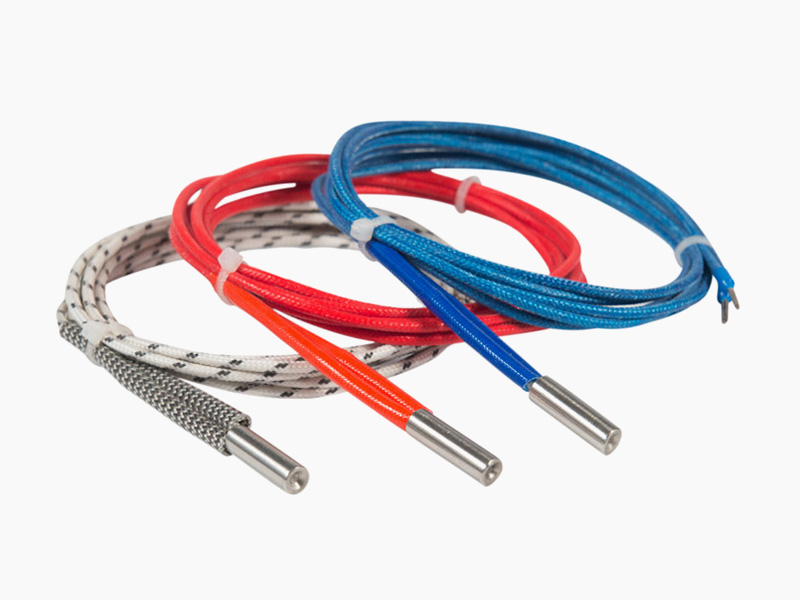 Cartridge Heaters Cartridge Heaters
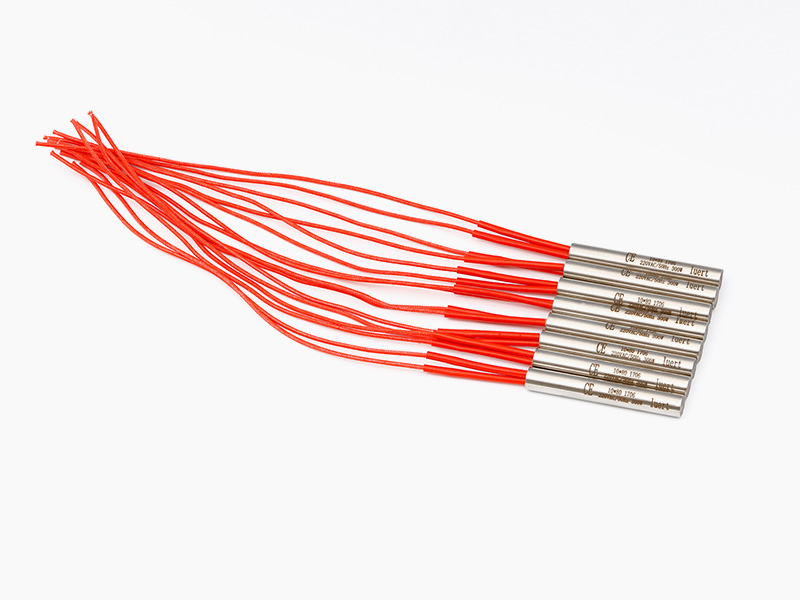 Cartridge Heaters Cartridge Heaters
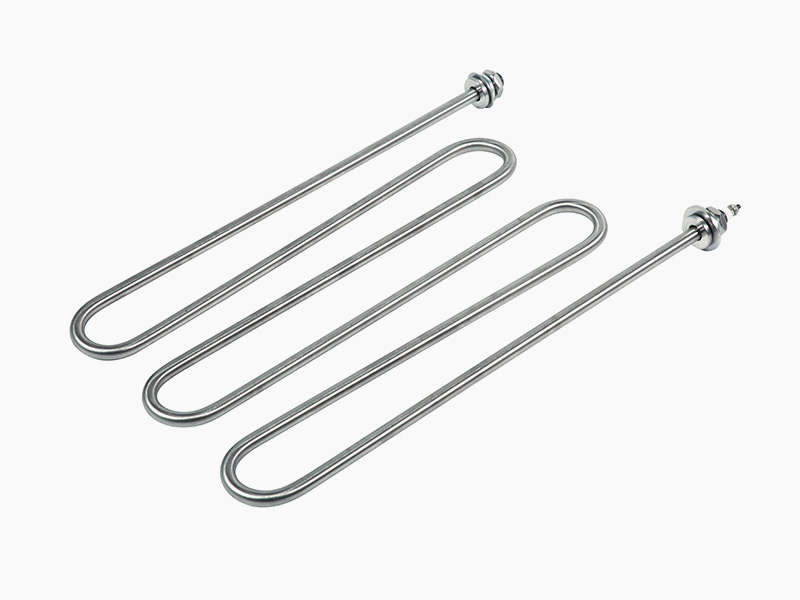 Tubular Heaters Tubular Heaters
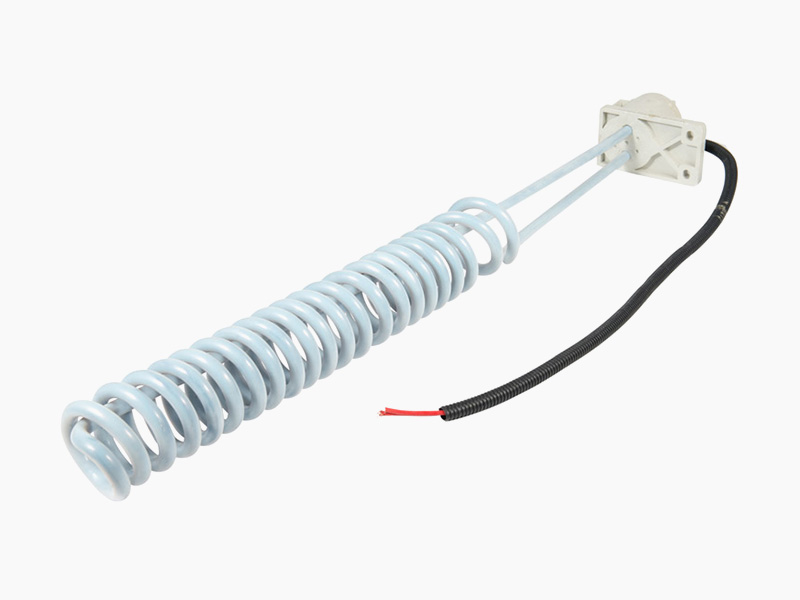 Tubular Heaters Tubular Heaters
 Tubular Heaters Tubular Heaters
 Silicone Rubber Heaters 12v silicone heating pad
 Silicone Rubber Heaters Silicone Rubber Heaters
 Silicone Rubber Heaters Silicone Rubber Heaters