A structural repair on an aircraft composite component is a calculated risk. The objective is to restore the part to its original design strength and service life, often under severe operational time pressure. The failure point in this process is frequently thermal: an uneven cure, a cold spot under a rigid heater, or a temperature overshoot that degrades the parent material. For maintenance, repair, and overhaul (MRO) engineers, the thermal source is not just a tool; it is the core determinant of a repair’s structural validity and long-term airworthiness.
This analysis focuses on the non-negotiable requirements of aerospace composite repair and explains why flexible, integrated heating systems have become the standard for certified repair stations. The discussion centers on process control, repeatability, and how modern heating technology directly addresses the unique geometry and material science of carbon fiber, fiberglass, and aramid structures.
The Process Challenge: Geometry, Physics, and Certification
Repairing a curved winglet, a contoured fairing, or a complex Radome involves more than applying a patch. It is a controlled re-manufacturing process that must replicate the original laminate's consolidation and cross-linking.
The Core Demands:
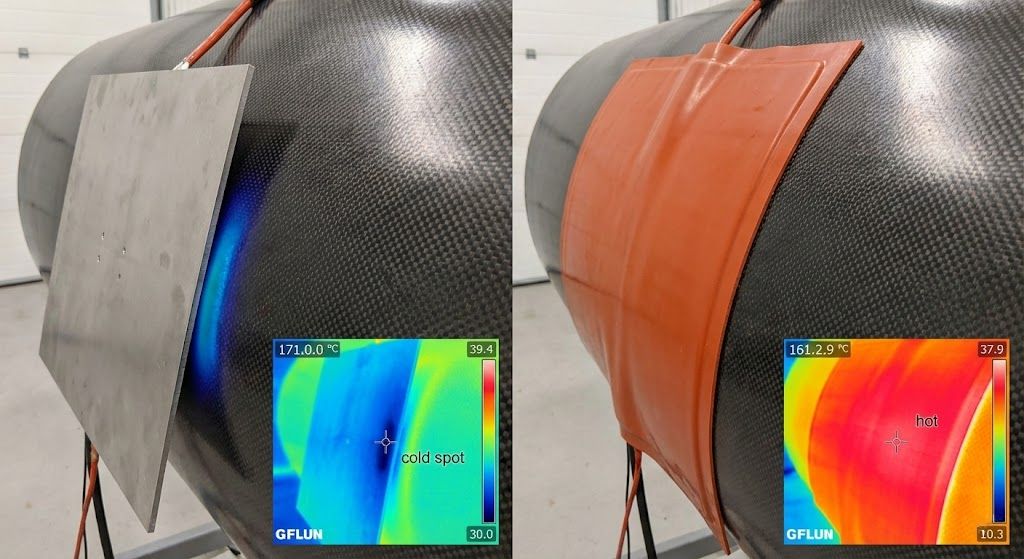
Conformity to Complex Contours: Aircraft surfaces are rarely flat. A heater must make 100% intimate contact with every millimeter of a repair zone, regardless of compound curvature, to ensure uniform heat transfer. Air gaps are thermal insulators that create cold spots, leading to under-cured resin and a weak bond line.
Precise Thermal Profile Control: Aerospace-grade epoxy and BMI resins cure within specific temperature windows (often 120°C-180°C / 250°F-350°F) for defined durations. The ramp-up, dwell, and cool-down rates are critical. Exceeding the temperature can degrade the composite; failing to reach it leaves the resin uncured. The tolerance across the entire repair zone is typically within ±5°C or tighter.
Integration with Vacuum Bagging: The repair process universally employs a vacuum bag to apply consolidation pressure (typically 1 atm / 14.7 psi) and remove volatiles. The heating element must function as part of this stack—conforming under vacuum pressure without wrinkling, trapping air, or damaging the breather/bleeder fabrics.
Repeatability and Documentation: For FAA/EASA-approved repairs, the process must be repeatable and verifiable. The thermal equipment must deliver identical performance every time, and data logging is often required to prove the prescribed cure cycle was followed.
Rigid metal heaters or ceramic plates fail against these demands. Their inability to conform creates unreliable curing conditions, making them unsuitable for anything beyond simple, flat repairs.
The Engineered Solution: Integrated Flexible Heating Blankets
A modern composite curing blanket is a system engineered specifically for this application. It is a vacuum bonding heater designed to perform as a compliant, durable layer within the vacuum bag assembly.
How It Works & Why It's Essential:
The blanket consists of a thin, flexible etched-foil heating element laminated between layers of high-temp, fiberglass-reinforced silicone. This construction is key:
Inherent Conformability: The blanket drapes perfectly over complex contours, ensuring full surface contact the moment vacuum is applied. It eliminates the air gaps that plague rigid solutions.
Uniform Pressure Distribution: Under vacuum, the blanket applies perfectly even pressure across the repair. Unlike a rigid plate that bridges low spots, the flexible blanket presses the entire repair stack—patch, adhesive, breather—into uniform intimacy.
Controlled, Even Heat Output: The etched element can be zoned or patterned to deliver uniform watt density across its entire area, compensating for edge heat loss and ensuring the specified temperature is reached simultaneously at the center and edges of the repair.
Critical Advantages for Aerospace MRO:
| Feature | Engineering & Process Benefit |
|---|
| Perfect Contour Conformity | Ensures 100% thermal contact on complex parts (winglets, ducts, curved panels), eliminating cure-inducing cold spots. |
| Uniform Pressure Under Vacuum | Becomes part of the consolidation system, applying even pressure for optimal resin flow and laminate compaction without creating stress concentrations. |
| High-Temperature Stability | Rated for continuous operation at standard cure temps (up to 250°C/480°F+), with materials that do not outgas or degrade in the vacuum environment. |
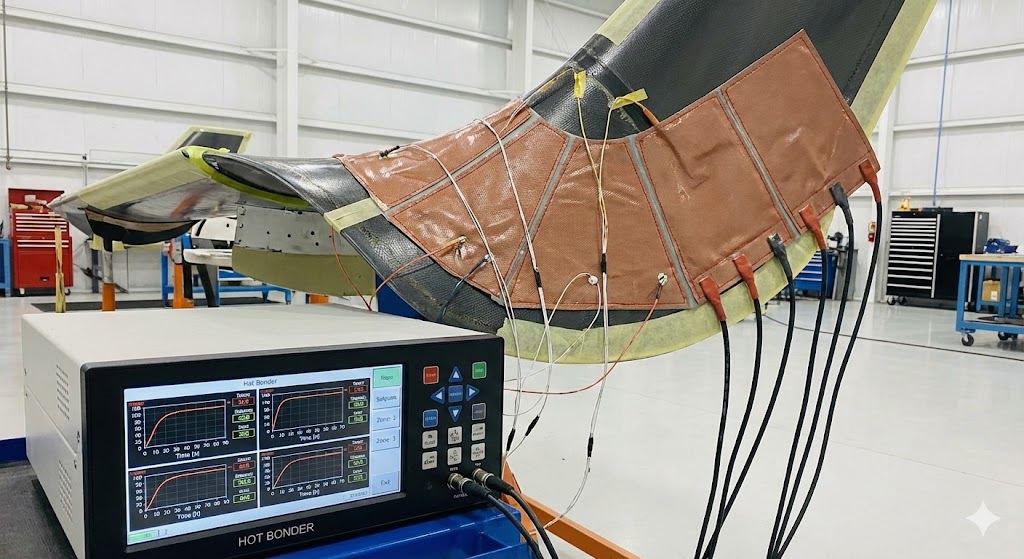
| Zoned Heating Capability | Large blankets can feature independent heating zones with separate sensors, allowing precise thermal management for repairs on large or thermally asymmetric structures. |
| Durability & Reusability | Resists punctures from sharp composite edges and can withstand hundreds of cure cycles, providing a low cost-per-repair over its service life. |
System Integration: The Heater Within the Vacuum Bag Process
The hot bonder heating pad does not operate in isolation. Its performance is maximized when integrated thoughtfully into the standard repair sequence.
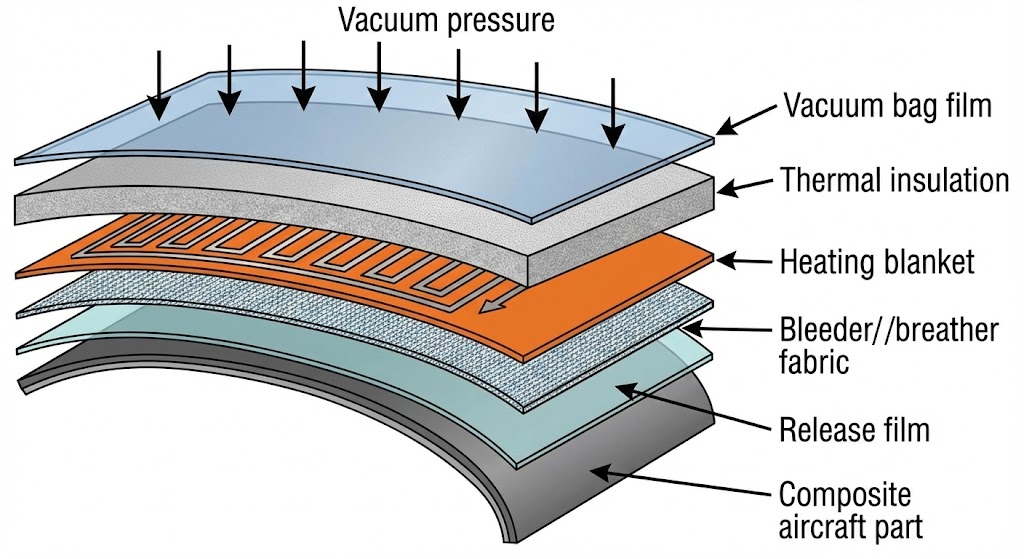
The Standard Vacuum Bag Stack (from part outward):
Release Film / Peel Ply
Bleeder/Breather Fabric
Flexible Heating Blanket
Insulation Layer (to reduce heat loss)
Vacuum Bag
Optimal Operational Protocol:
Pre-fit & Sensor Placement: The blanket is positioned over the repair area. One or more thermocouples are placed on the part surface (under the blanket) or between patch plies at the bond line to provide true part temperature feedback to the controller.
Sealing & Vacuum Application: The full stack is sealed and vacuum is drawn. This immediately pulls the flexible blanket into perfect conformity with the part surface.
Controlled Cure Cycle: A multi-step programmable PID controller executes the cure profile. It uses feedback from the part-mounted thermocouples to adjust power to the blanket, ensuring the laminate—not just the heater—follows the exact required temperature curve. The controller manages ramp rates, dwells, and cooldown.
Data Logging: The controller records the time-temperature profile for the repair record, providing the documentation required for quality assurance and regulatory compliance.
The Yuheng Protocol for Certified Repair Support
We approach the aerospace repair market with the understanding that our components become part of a certified process. Our engagement is structured to support MRO engineering and quality assurance.
Phase 1: Application Analysis & Blanket Specification.
We review the repair manual or process specification: required cure profile, part geometry, and vacuum bagging methodology. This determines blanket size, necessary wattage, and whether single or multi-zone control is needed.
Phase 2: Co-Design for Performance & Durability.
Geometry: We design the blanket shape to cover the repair zone with an appropriate border. We incorporate cut-outs for vacuum ports or thermocouple feed-throughs if required.
Ruggedization: We specify heavy-duty, high-temp silicone and reinforce edges and lead exit points to withstand the abrasive environment of a repair shop and repeated handling.
Interface: We provide robust, high-temperature compatible leads and connectors designed for integration with standard hot bonder controllers.
Phase 3: Validation & Process Support.
We supply more than a blanket; we provide process validation tools.
Thermal Mapping Report: We can provide a thermal imaging analysis of a sample blanket under load, demonstrating temperature uniformity across its active area.
Compatibility Assurance: Our materials are selected for low outgassing and stability under continuous vacuum at cure temperatures.
Technical Documentation: We provide detailed electrical and thermal specifications, along with material safety data, to support your repair station’s internal procedures and audits.
Conclusion: The Heater as a Process Qualification Tool
In aerospace composite repair, success is binary: the repair is either airworthy or it is not. The thermal application system is a primary variable in that equation.
A properly engineered flexible heating blanket system transforms thermal management from an art into a controlled, repeatable science. It ensures that every repair—on a flat panel or a doubly-curved fuselage section—receives the exact thermal environment specified by the OEM’s engineering data.
For the MRO engineer, investing in this level of thermal precision is a direct investment in repair quality, first-pass success rate, and operational efficiency. It reduces the risk of costly re-work and, most importantly, ensures that every repaired component meets the structural integrity standards demanded by aviation safety. In this field, the right tool doesn't just make the job easier; it makes the outcome certifiable.


 русск
русск Español
 Cartridge Heaters Cartridge Heaters
 Cartridge Heaters Cartridge Heaters
 Tubular Heaters Tubular Heaters
 Tubular Heaters Tubular Heaters
 Tubular Heaters Tubular Heaters
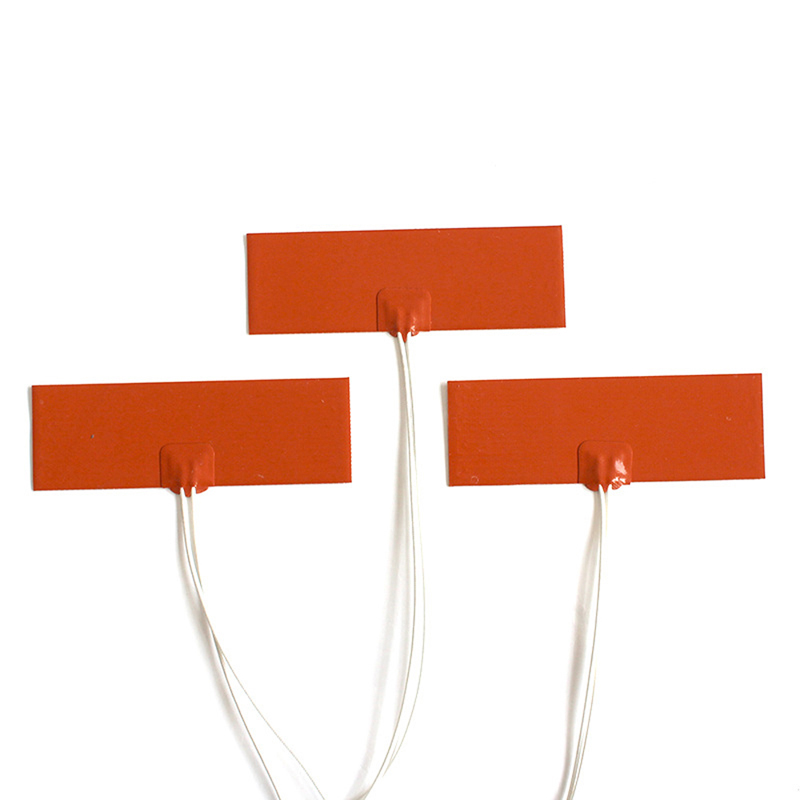 Silicone Rubber Heaters 12v silicone heating pad
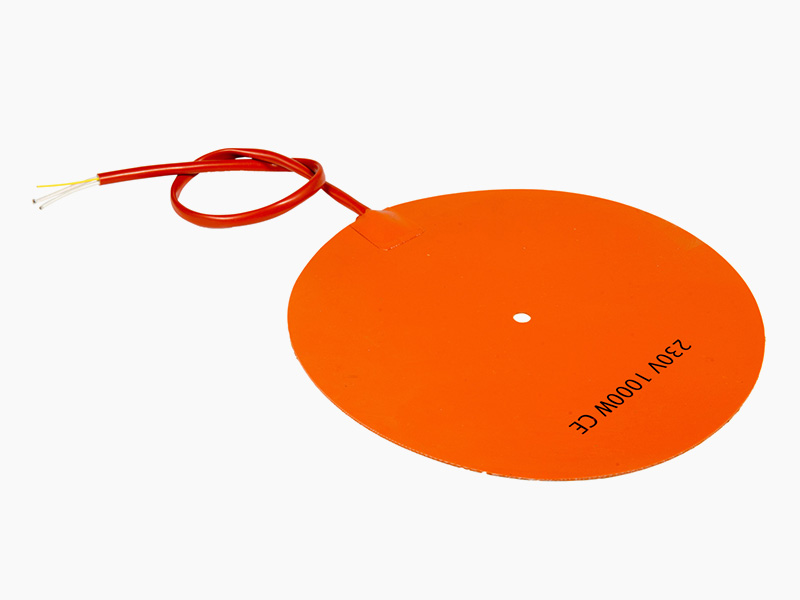 Silicone Rubber Heaters Silicone Rubber Heaters
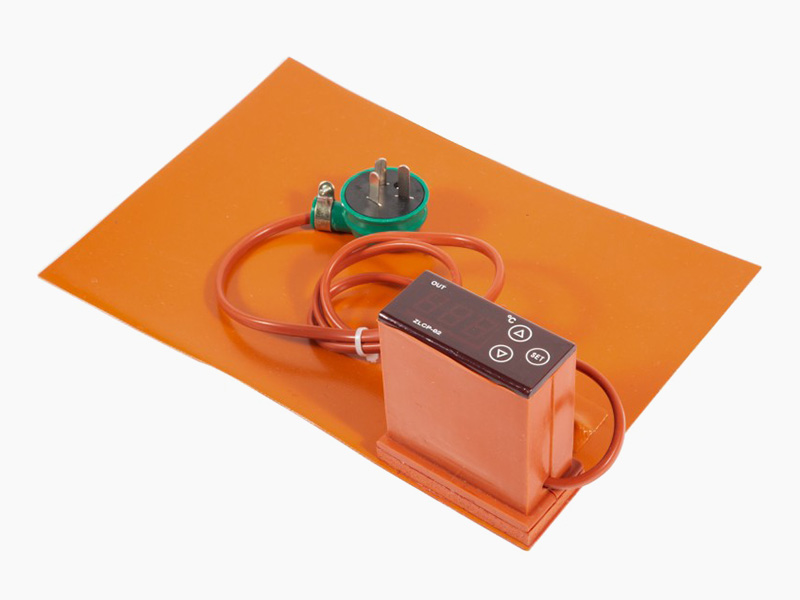 Silicone Rubber Heaters Silicone Rubber Heaters