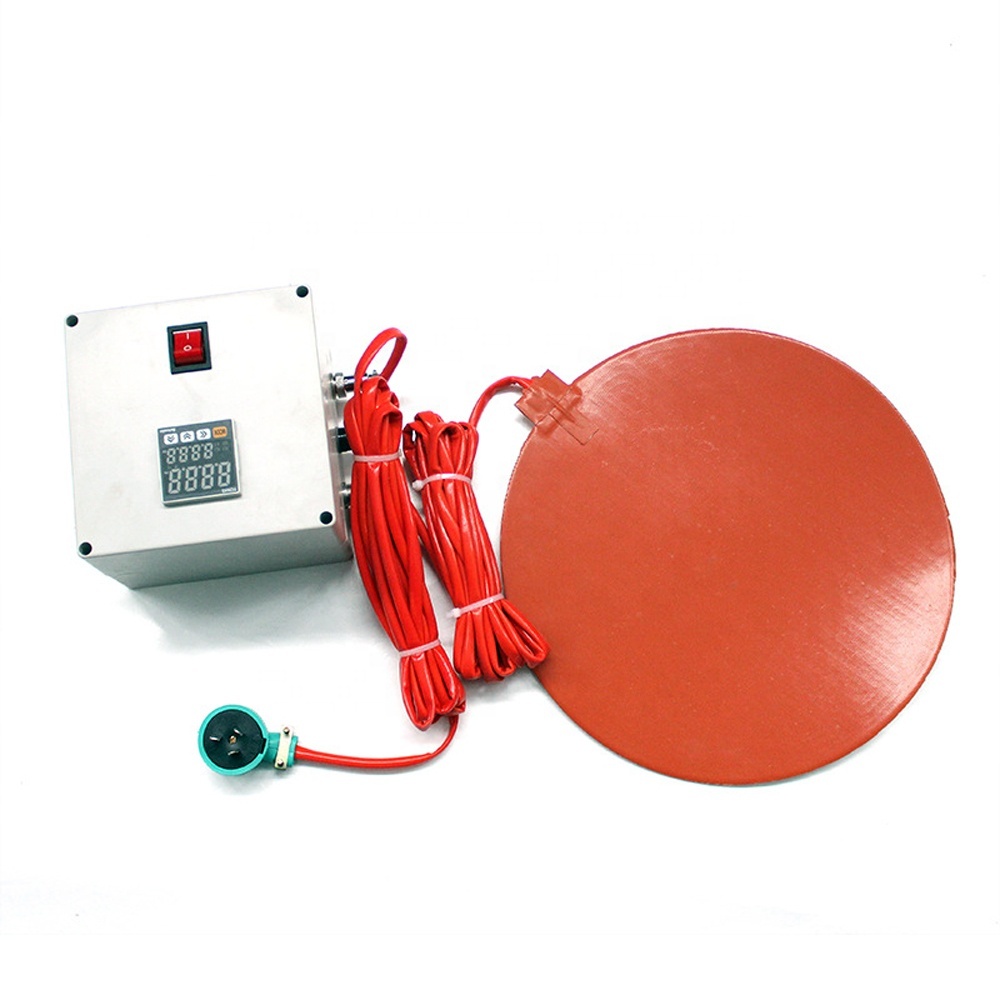
In medical diagnostics and life support, thermal management is not an auxiliary function—it is often central to the device's core purpose and patient safety. The performance of a blood analyzer, the efficacy of a respiratory humidifier, or the safety of an IV fluid warming system hinges on the ability to deliver heat with unwavering precision and immaculate cleanliness. A deviation of even half a degree Celsius can skew test results, compromise therapy, or cause patient discomfort. Contamination from a heating element is simply unacceptable.
This analysis addresses the unique thermal challenges in medical and laboratory environments. It explains why precision, material integrity, and cleanability are non-negotiable and how modern, medical-grade heating solutions are engineered to meet these imperatives, transforming heat from a simple variable into a reliable, controlled clinical parameter.
The Clinical Imperative: When ±0.5°C is a Tolerance, Not a Goal
The requirements for heating in medical devices are defined by a combination of biological necessity and analytical precision.
Diagnostic Accuracy: Enzymatic reactions, sample incubation, and reagent storage in automated analyzers (e.g., for blood chemistry or immunoassays) occur within optimal, narrow temperature windows. A fluctuation outside this range can alter reaction kinetics, leading to inaccurate patient results. Consistency is as critical as the setpoint.
Patient Safety and Comfort: In therapeutic devices, temperature directly impacts care.
Respiratory Humidification: A respiratory humidifier heater must deliver gas at body temperature (37°C) saturated with moisture. Under-heating leads to inadequate humidification and airway drying; over-heating risks patient burns and denatures proteins in the condensed "rain-out."
IV Fluid/Blood Warming: Infusing cold fluids can cause hypothermia, vasoconstriction, and cardiac stress. Warmers must rapidly and uniformly bring fluids to a safe, strictly controlled temperature (typically 37-41°C) without creating dangerous hot spots that could damage blood cells or proteins.
Material Compatibility: The heater is in direct or indirect contact with sensitive media—biological samples, reagents, pharmaceutical fluids, or breathing gases. It must not leach compounds, outgas, or promote bacterial adhesion.
The consequence of failure here transcends equipment downtime; it directly impacts diagnostic integrity and patient outcomes. This defines the need for medical-grade components.
The Limitations of Conventional Heating in Hygienic Design
Many traditional heating methods struggle in this demanding environment due to fundamental design conflicts.
Metal-Sheathed Cartridge Heaters: While powerful, they create significant thermal gradients (hot spots) and have high thermal mass, responding sluggishly to control inputs. Their metallic surfaces can be challenging to clean thoroughly and may corrode when exposed to certain disinfectants or saline aerosols.
Thick, Rigid Ceramic Heaters: Their brittleness and difficulty in achieving custom shapes limit integration into compact, fluidic devices. Their porous surfaces can harbor contaminants.
Non-Conformal Heating Tapes: These often leave air gaps, leading to inefficient heating and unpredictable performance. Their materials may not be validated for repeated cleaning or medical contact.
The common shortcomings are poor temperature uniformity, slow response, and materials unsuitable for rigorous hygiene protocols. This creates a gap between the heating element and the clinical need for precision and cleanliness.
The Engineered Solution: Medical-Grade Silicone Rubber Heaters
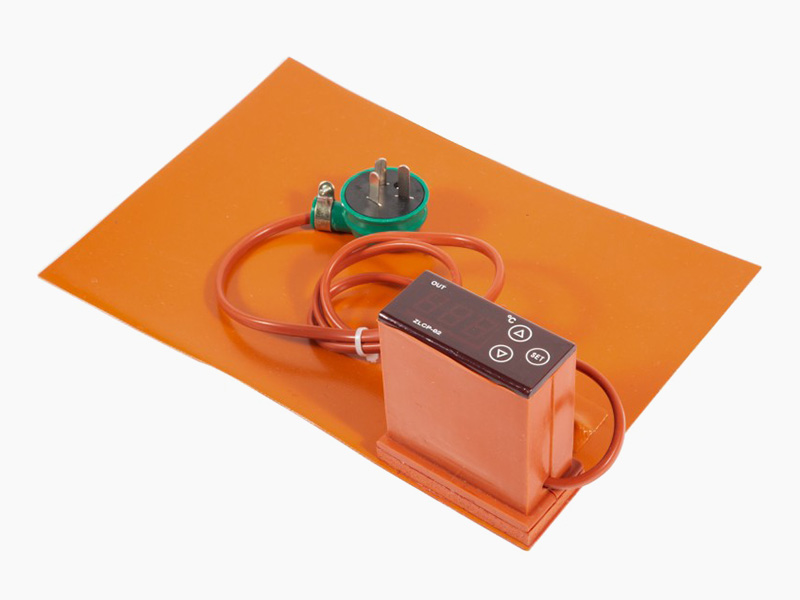
A medical grade silicone heater is specifically designed as a component for regulated devices. Its construction addresses the triad of needs: precision, cleanliness, and reliability.
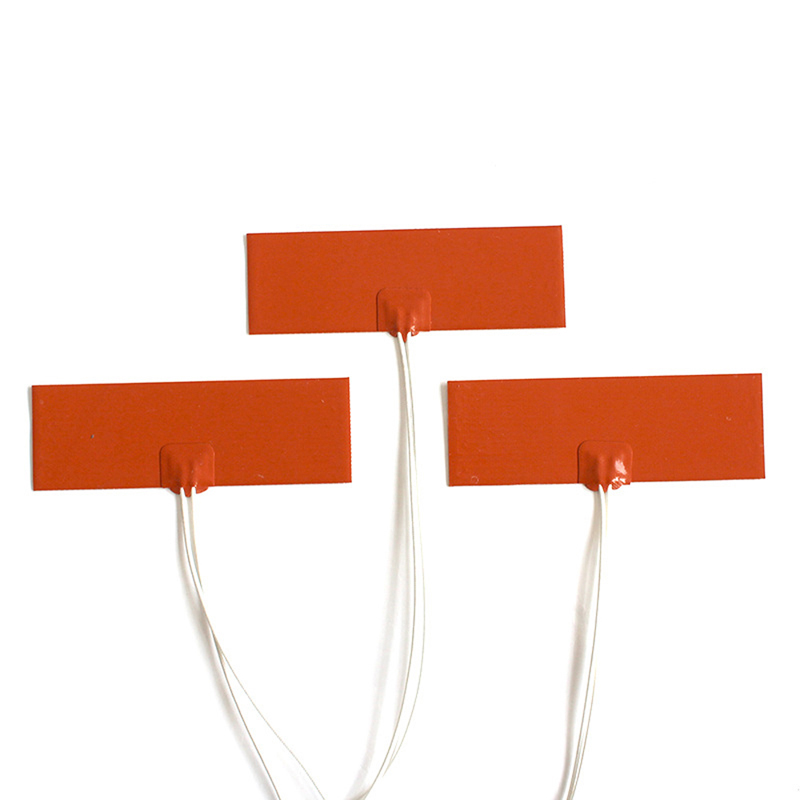
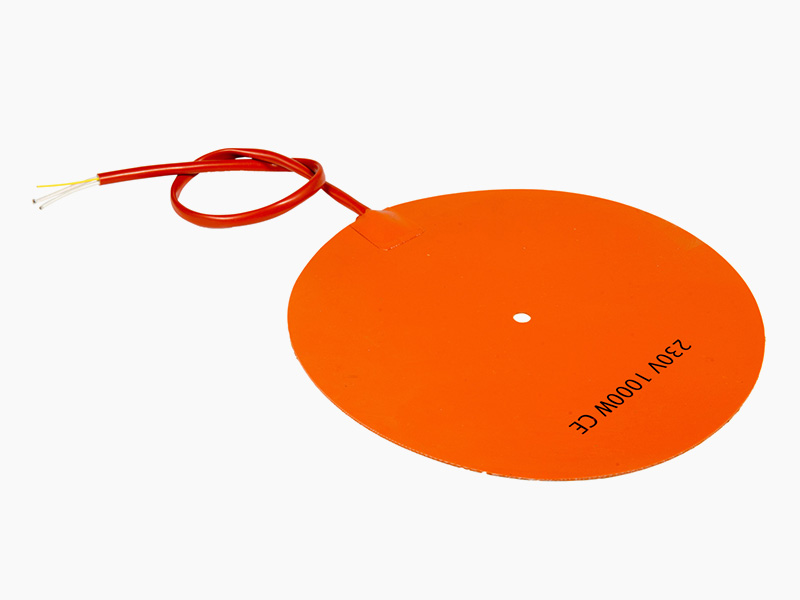
How It Enables Precision: A thin, photochemically etched foil element is laminated between layers of high-purity, reinforced silicone. This allows for:
Exceptional Uniformity: The element pattern can be engineered to produce heat with minimal spatial variation (<±0.5°C across the surface), ensuring the entire sample chamber or fluid path is at the target temperature.
Minimal Thermal Mass: The thin profile and direct surface adhesion result in very fast thermal response. The heater can adjust power in seconds to correct deviations, enabling tight Proportional-Integral-Derivative (PID) control.
Integrated Sensing: High-accuracy PT100 RTDs or NTC thermistors can be laminated directly into the heater during manufacturing, placing the sensor in perfect thermal contact with the heating surface. This provides the fastest possible feedback to the controller, eliminating lag from external sensor mounting.
How It Ensures Cleanliness & Safety:
Material Inertia: Platinum-cured silicone rubber is chemically inert, non-toxic, and resistant to a wide range of disinfectants (alcohols, dilute bleach, peroxides). It does not degrade or become tacky, preventing it from becoming a reservoir for pathogens.
Smooth, Non-Porous Surface: The material can be specified with a smooth, sealed surface finish that is easy to wipe clean and does not support microbial adhesion. It is inherently non-particulating.
Biocompatibility: Silicone elastomers can be supplied with full USP Class VI, ISO 10993-5, and FDA 21 CFR 177.2600 compliance documentation, validating their safety for use in medical applications.
System Integration: The Fusion of Heat, Sensor, and Control
In a medical device, the heater is one node in a closed-loop control system. Its performance is determined by the quality of integration.
1. The Sensor-Controller-Heater Loop:
The most reliable configuration places the control sensor (RTD or thermistor) directly on the heater surface or embedded within it. This measures the temperature being applied to the device, not the ambient air or a distant point on the chassis. This signal is fed to a PID controller, which modulates power to the heater to maintain the setpoint with minimal overshoot or oscillation.
2. Safety Architectures:
Medical devices require redundant safety.
Primary Control: The main system PID loop.
Independent Safety Limit: A separate, redundant temperature sensor and hardware-based safety circuit (e.g., a safety relay or dedicated IC) that cuts power if a maximum temperature threshold is exceeded, regardless of the main controller state.
3. Power Design for Safety:
Heaters are typically designed for low-voltage DC operation (12V, 24V, 48V), isolating them from mains voltage hazards and simplifying safety approvals.
The Yuheng Protocol for Medical Device Integration
We approach medical and laboratory equipment heating projects with the rigor the sector demands, functioning as an extension of your quality and engineering teams.
Phase 1: Requirements Definition & Risk Analysis.
We start by documenting the full context: target temperature and tolerance, thermal load, fluid/sample contact requirements, cleaning/sterilization protocols (autoclave, VHP, chemical), and required electrical safety standards (IEC 60601-1). We help identify critical-to-quality (CTQ) parameters.
Phase 2: Co-Design for Performance & Manufacturability.
Our engineers work with yours to design a heater that fits the mechanical, thermal, and electrical constraints. We model thermal performance to ensure uniformity. We specify sensor type and optimal placement. We design for cleanable surfaces and reliable, sealed lead exits.
Phase 3: Compliance-Driven Manufacturing & Documentation.
Production occurs under controlled conditions. We provide a Device History File for your heaters, including:
Material Certifications: Certificates of Compliance for all silicone, adhesives, and fabrics, citing USP Class VI, ISO 10993, or FDA status.
Dimensional & Electrical Inspection Reports: Verification of resistance, dielectric strength (HIPOT test), and continuity.
Performance Validation Data: Thermal imaging reports demonstrating temperature uniformity and stability.
Phase 4: Support for Regulatory Submissions.
We assemble a comprehensive technical file for the component, including material safety data, biological evaluation summaries, and design specifications, to support your 510(k), CE Marking, or other regulatory filings.
Conclusion: Precision as a Foundational Component of Care
In medical technology, the margin for error approaches zero. The heating system within a device must be conceived not as a commodity part, but as a precision sub-assembly that is integral to the device's therapeutic or diagnostic function.
A medical-grade silicone heater system, with its inherent cleanliness, precise control, and reliable safety features, represents this engineering philosophy. It transforms thermal management from a potential source of variability and risk into a documented, validated, and dependable foundation.
For device manufacturers, partnering with a supplier that understands and can evidence this level of control is a critical step in de-risking development, accelerating regulatory approval, and ultimately, building medical devices that clinicians and patients can trust without reservation. It is an investment in the integrity of the device itself.


 русск
русск Español
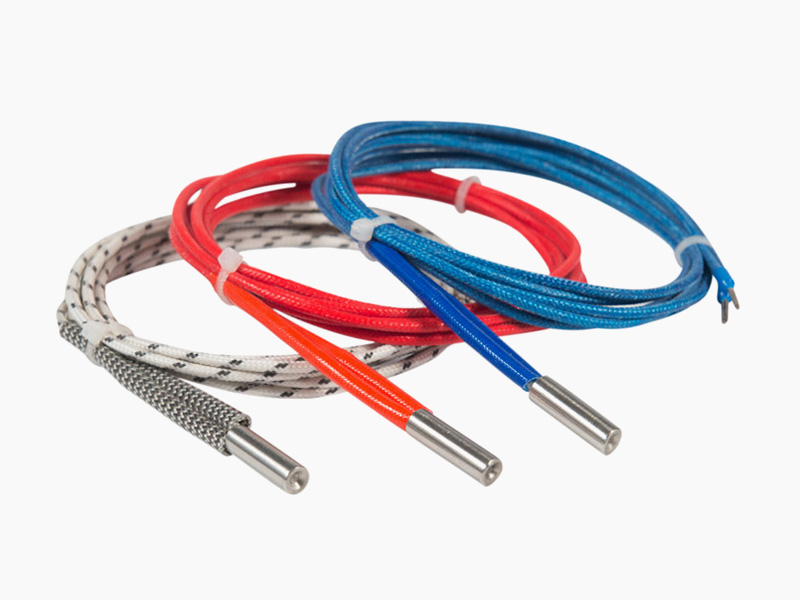 Cartridge Heaters Cartridge Heaters
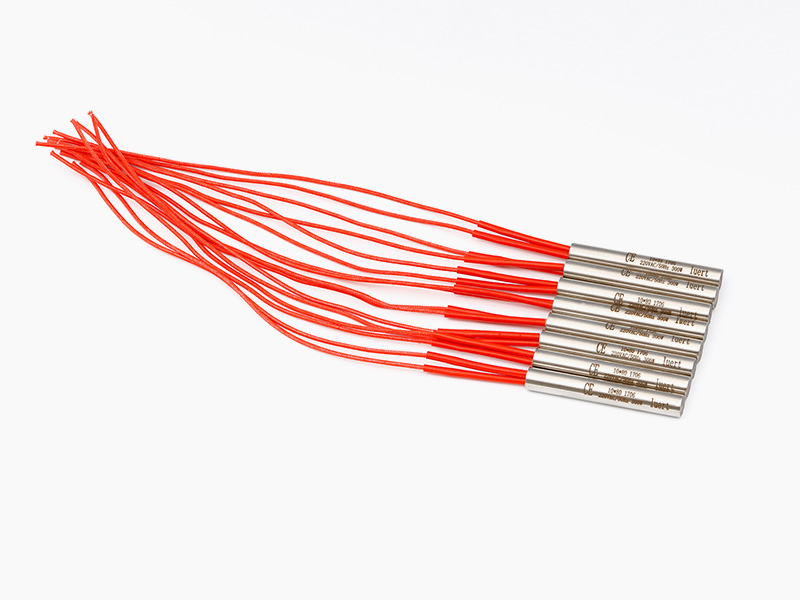 Cartridge Heaters Cartridge Heaters
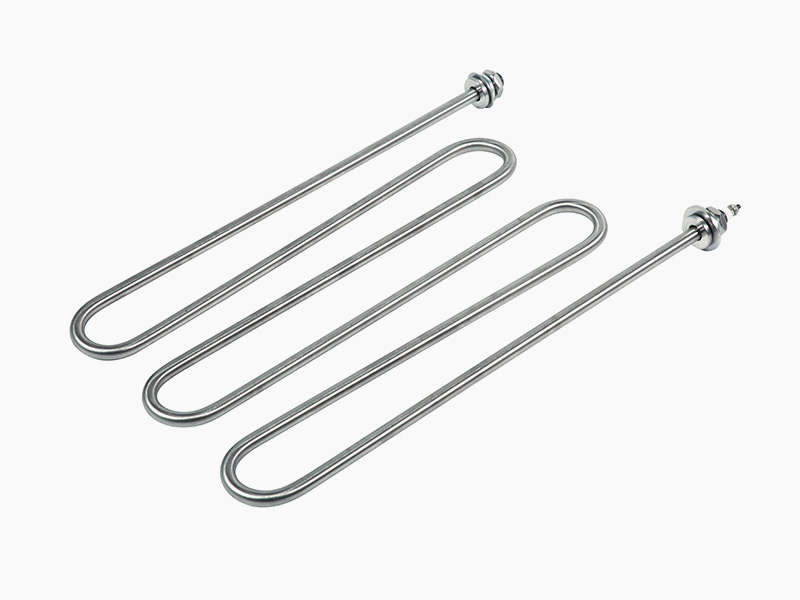 Tubular Heaters Tubular Heaters
 Tubular Heaters Tubular Heaters
 Tubular Heaters Tubular Heaters
 Silicone Rubber Heaters 12v silicone heating pad
 Silicone Rubber Heaters Silicone Rubber Heaters
 Silicone Rubber Heaters Silicone Rubber Heaters