A production line shuts down. The cause is not a mechanical failure, but a simple physical reality: chocolate has solidified in a transfer pipe, honey has crystallized in a holding tank, or vegetable oil has thickened enough to halt flow. For food and confectionery processors, these viscosity-related blockages represent a direct assault on efficiency, yield, and profitability. Manual cleaning, disassembly, and product loss from such incidents incur costs that rapidly escalate into tens of thousands of dollars per event, not accounting for missed delivery schedules.
The core challenge in handling temperature-sensitive, high-viscosity fluids is maintaining a precise thermal window. This is not merely about applying heat, but about applying consistent, uniform, and precisely controlled heat to every surface in contact with the product. Traditional methods often fall short, leading to hotspots that degrade product quality or cold spots that invite blockages. Modern thermal management has evolved into a precise engineering discipline critical for process reliability and product integrity.
The Physics of Flow: Temperature as the Primary Control Variable
Viscosity—a fluid's resistance to flow—is highly temperature-dependent for non-Newtonian fluids like chocolate, caramel, honey, and certain oils. A small drop in temperature can cause viscosity to increase exponentially.
Chocolate: Must be held within a tight temperature band (typically 40-50°C / 104-122°F for dark chocolate) to maintain temper and viscosity for molding or enrobing. A deviation of just a few degrees can lead to premature crystallization in pipes or uneven coating.
Honey & Syrups: These fluids can crystallize or become overly viscous at ambient temperatures. Maintaining them at 35-45°C (95-113°F) keeps them in a liquid, pumpable state without degrading delicate enzymes or flavors.
Fats & Oils: Palm oil, shortenings, and certain dressings can solidify at points below their melting point. Maintaining temperature above the cloud point is essential to prevent fouling and ensure homogeneous blending.
The goal of viscosity control heating is to eliminate all thermal gradients within the process. Any cold surface acts as a nucleation point for solidification. Any hot surface can cause localized burning, caramelization, or flavor degradation—a phenomenon known as "fouling" or "scorching," which necessitates aggressive cleaning and creates contamination risk.
Limitations of Conventional Heating Methods in Food Processing
Many facilities still rely on legacy systems that introduce inherent inefficiencies and risks.
Steam Jackets/Tracing: While effective, steam systems are inherently "on-off," leading to temperature cycling. They have high thermal inertia, responding slowly to control inputs. Condensate management and potential leaks present maintenance and sanitation challenges.
Bare Metal or MICA Band Heaters: These rigid clamps can create uneven contact with curved surfaces like pipes or tanks, resulting in air gaps that become insulating hotspots. Their high surface temperatures can easily scorch product if not meticulously controlled.
Self-Regulating Trace Cables: While an improvement, these cables provide linear heat along a line, not uniform heat across a surface. Achieving even temperature distribution on a large tank or complex valve requires dense, complex winding patterns, and they remain difficult to clean or remove for sanitation.
These methods often solve the "heating" problem but fail to solve the "precise, uniform thermal management" problem, leaving processors vulnerable to quality issues and unplanned downtime.
The Engineered Solution: Conformal Silicone Heaters for Precision Thermal Management
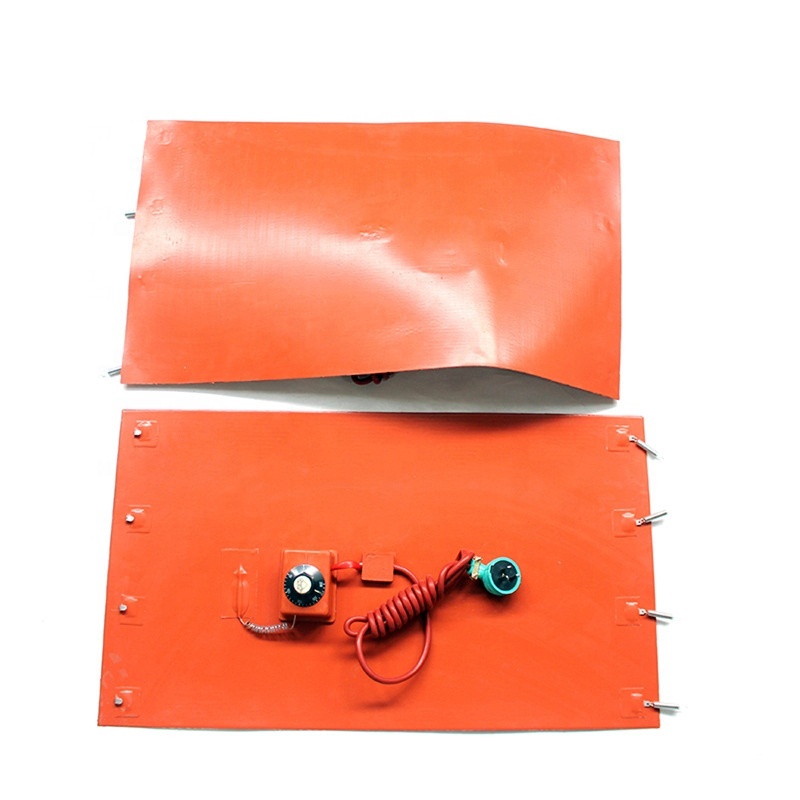
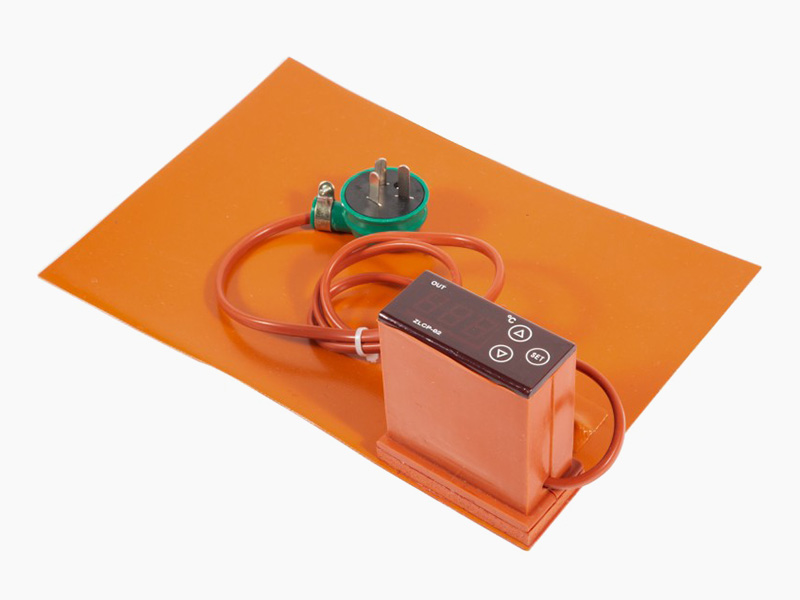
Modern food pipe heaters and industrial tank heating jackets made from FDA-compliant silicone rubber are designed to directly address the requirements of food-grade viscosity control. They function as a conformal, high-efficiency thermal skin for process equipment.
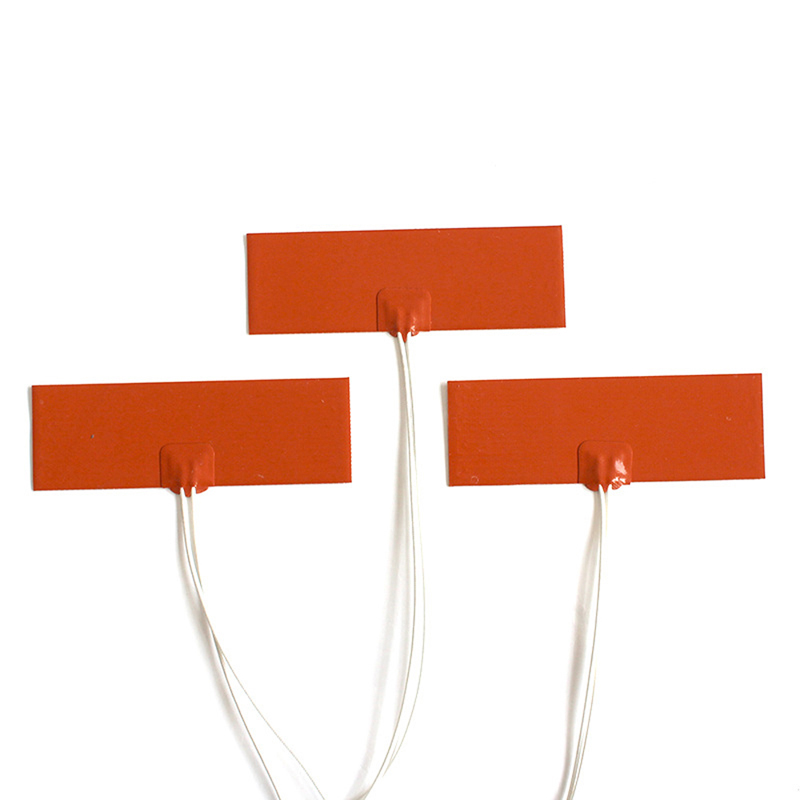
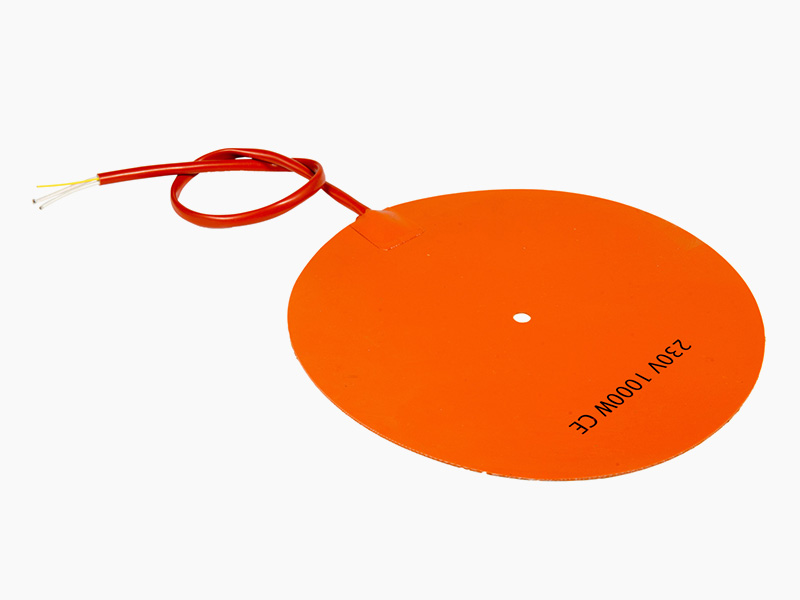
How They Work: A corrosion-resistant, etched-foil heating element is laminated between layers of reinforced, fiberglass-reinforced silicone rubber. This thin, flexible sheet can be custom-formed to the exact dimensions of a pipe, cone, valve, tank wall, or hopper. When adhered directly to the surface, it conducts heat evenly across the entire contact area.
Advantages for Food & Confectionery Processing:
| Feature | Engineering Benefit | Application Impact |
|---|
| Perfect Conformal Contact | Eliminates air gaps by conforming to surface contours, ensuring 100% thermal transfer efficiency. | Eliminates cold spots that cause product solidification and blockages. |
| Precise, Uniform Watt Density | Heat output is evenly distributed across the entire surface area (e.g., 5-15 W/in²), preventing localized overheating. | Prevents scorching or burning of sensitive products like chocolate or sauces. Enables consistent product quality. |
| Rapid Thermal Response | Low thermal mass allows the system to respond instantly to controller adjustments, maintaining a steady temperature. | Provides tight temperature control (±1°C), critical for chocolate tempering or honey viscosity. |
| Hygienic & Cleanable Design | Made with FDA-listed materials; surface is non-porous and can be specified with smooth finishes. Can be easily removed and reinstalled. | Reduces sanitation downtime. Simplifies CIP (Clean-in-Place) and inspection routines. Meets food safety standards. |
| Custom Form Factor | Can be manufactured as a custom pipe heater wrapping a valve assembly, a flat pad for a tank side, or a complex shape for a conical hopper bottom. | Solves heating challenges for complex geometry where traditional methods fail, ensuring complete process coverage. |
System Design: Integrating Heat, Control, and Safety
An effective viscosity control system integrates three core elements: the heater, the sensor, and the controller.
1. Heater Sizing & Zoning:
Compensating for Heat Loss: The total wattage required is calculated based on the surface area, insulation value, and the ΔT between the desired fluid temperature and the coldest ambient condition.
Strategic Zoning: Large tanks or long pipe runs benefit from multiple independent heating zones. For example, a tall storage tank may have separate zones for the bottom, sides, and top to compensate for different heat loss patterns and product stratification.
2. Sensor Placement for True Fluid Temperature:
Temperature sensors (RTDs or thermocouples) must be in direct contact with the fluid stream, not just mounted on the tank wall. The ideal placement is in a thermowell within the fluid or at the outlet of a heated section. This provides true feedback for the control loop.
3. The Control Strategy: Proportional (PID) is Essential.
For processes like chocolate handling, simple on-off thermostats are inadequate. They cause temperature swings that degrade product.
The Yuheng Protocol for Food-Grade Thermal Solutions
Designing for food processing requires a partnership that understands both thermal engineering and regulatory hygiene.
Phase 1: Process & Sanitation Review.
We begin by mapping your process: target temperature, fluid type, cleaning protocols (CIP chemicals, temperatures, frequency), and required certifications (FDA, NSF, EU 1935/2004). This dictates material selection and mechanical design.
Phase 2: Thermal Modeling & Zoning Design.
Using your equipment dimensions and ambient data, we model thermal loss to recommend optimal heater placement, wattage, and zoning. For a chocolate melting heater line, we ensure the entire pathway from melter to depositor is uniformly covered.
Phase 3: Delivering a Sanitation-Ready System.
We supply heaters with:
Easy-Release Features: Options for quick-disconnect fasteners or high-temp PSA for removable installation.
Sealed Construction: Fully molded edges and lead exits to prevent moisture or contaminant ingress.
Smooth, Cleanable Surfaces: Non-stick finishes upon request.
Phase 4: Validation & Support.
We provide installation diagrams, controller setpoint recommendations, and thermal performance data to ensure your team can integrate and validate the system effectively.
Conclusion: Transforming Thermal Management from Cost Center to Value Driver
Viscosity-related blockages and quality deviations are predictable process failures. Therefore, their prevention must be a predictable, engineered outcome.
A system built with custom conformal silicone heaters moves thermal management from a utility function to a core process control parameter. It delivers the precision and reliability needed to protect product quality, maximize throughput, and eliminate the exorbitant costs of unplanned downtime and product waste.
For process engineers and plant managers, investing in such a system is a direct calculation of return on investment: the capital cost is swiftly offset by reduced product loss, lower sanitation labor, guaranteed production schedules, and consistently high product quality. In the competitive food industry, this level of control is not a luxury—it is a fundamental component of efficient, profitable, and sustainable operation.


 русск
русск Español
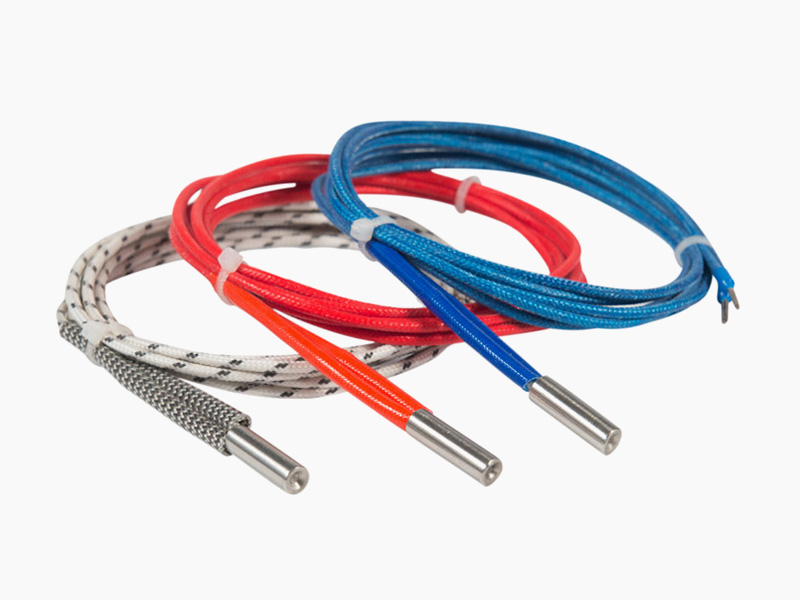 Cartridge Heaters Cartridge Heaters
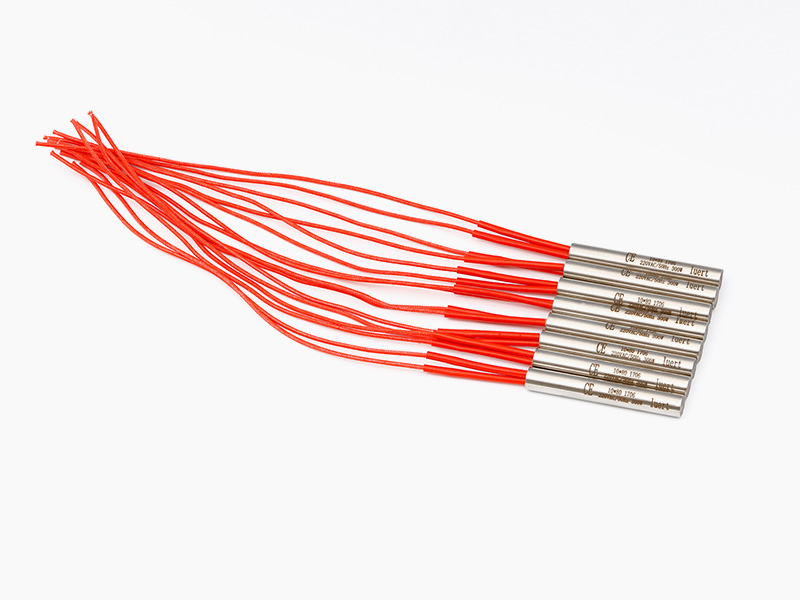 Cartridge Heaters Cartridge Heaters
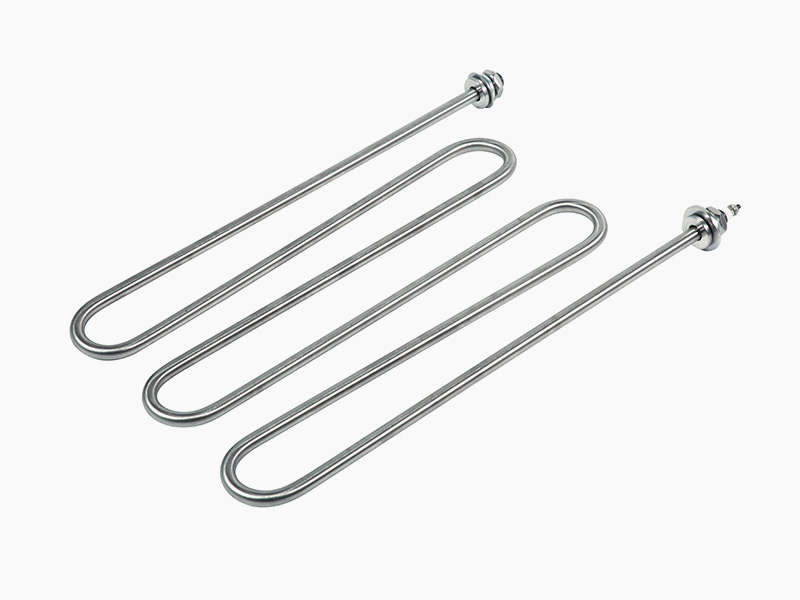 Tubular Heaters Tubular Heaters
 Tubular Heaters Tubular Heaters
 Tubular Heaters Tubular Heaters
 Silicone Rubber Heaters 12v silicone heating pad
 Silicone Rubber Heaters Silicone Rubber Heaters
 Silicone Rubber Heaters Silicone Rubber Heaters